
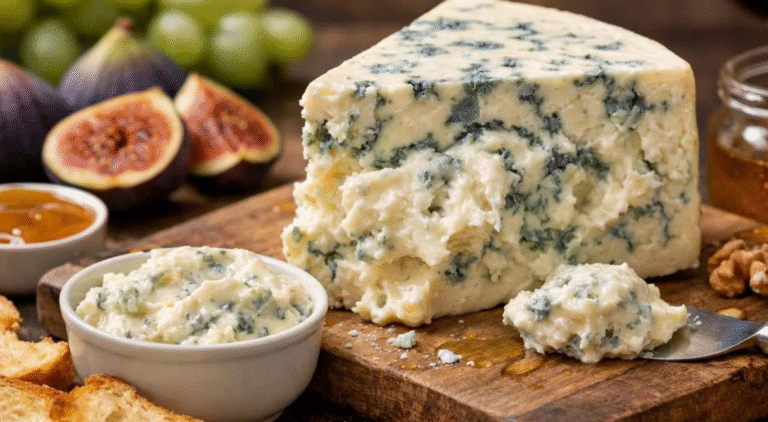
Introduction to Masgonzola
In today’s digital world, unique and uncommon keywords often appear in searches, sparking curiosity among users. One such term is masgonzola, a word that has recently gained attention across different online platforms. Although masgonzola does not have a widely established definition in mainstream dictionaries or industries, it is often associated with food-related contexts, naming variations, or creative branding concepts.
Understanding masgonzola requires exploring its possible interpretations, cultural usage, and how such terms emerge in modern search trends. This article provides a detailed, research-style explanation to help readers understand what masgonzola could represent and why it is being searched online.
Understanding the Concept of Masgonzola
The keyword masgonzola appears to be a blended or stylized term that may be linked to food naming conventions or creative branding. In many cases, similar-sounding names in gastronomy are derived from traditional ingredients or regional influences.
One possible interpretation of masgonzola is that it may be inspired by well-known cheese varieties or culinary terms. Food naming often evolves through fusion languages, marketing creativity, or regional adaptation. As a result, new terms like masgonzola can emerge even without official classification.
In digital culture, such keywords often gain popularity due to social media usage, product branding experiments, or search engine curiosity.
Possible Food Connection and Culinary Context
When analyzing masgonzola, one of the most common assumptions is its connection to cheese or dairy-based products. The structure of the word resembles European-style cheese names, which often end in “-gonzola” or similar phonetic patterns.
In culinary discussions, cheeses like creamy, blue-veined, or aged varieties are widely known for their rich flavors and textures. If masgonzola is used in a food context, it may refer to a fusion product, a brand variation, or even a recipe-inspired term.
Cheese-based ingredients are commonly used in pasta, pizza, salads, and gourmet dishes. Therefore, masgonzola could be associated with creamy textures, strong flavors, or culinary experimentation in modern kitchens.
How Unique Food Names Like Masgonzola Emerge
The rise of terms like masgonzola is not unusual in today’s global food industry. Many modern food names are created through branding strategies that combine familiar linguistic elements to create something unique and memorable.
Restaurants, packaged food brands, and artisan producers often develop new names to stand out in competitive markets. These names are designed to be catchy, easy to remember, and culturally appealing.
In many cases, such terms do not have historical origins but are instead created for marketing purposes. This could explain why masgonzola appears in search trends despite lacking a clear definition.
Digital Trends Behind Masgonzola Searches
Search behavior analysis shows that users often explore unfamiliar words out of curiosity. The keyword masgonzola may be part of this pattern, where users encounter the term on social media, menus, or online content and seek clarification.
Digital platforms like TikTok, Instagram, and food blogs often introduce new vocabulary that spreads quickly. Once a term gains attention, search engines record increased interest, leading to broader curiosity.
This trend highlights how language evolves in real time based on online influence rather than formal linguistic development.
Importance of Understanding Emerging Keywords
Studying keywords like masgonzola is important for content creators, marketers, and SEO professionals. Even if a term does not have a fixed meaning, its search volume indicates user interest.
In SEO strategy, such keywords are valuable because they represent informational intent. Users searching for masgonzola are likely looking for explanations, definitions, or context.
Creating high-quality content around emerging keywords helps websites attract organic traffic while addressing user curiosity effectively.
How to Approach Unclear Keywords Like Masgonzola
When dealing with ambiguous terms such as masgonzola, it is important to take an informational and research-based approach. Instead of assuming a fixed definition, content should explore possible meanings and contexts.
This method aligns with Google’s helpful content guidelines, which prioritize user-first information and clarity. Providing structured explanations, possible interpretations, and logical analysis helps users better understand the topic.
For SEO purposes, focusing on related terms such as “food naming trends,” “cheese varieties,” and “brand naming strategies” can also improve relevance.
Role of Branding and Creativity in Naming
One of the strongest explanations for masgonzola could be branding creativity. In modern marketing, unique names are essential for standing out in crowded industries.
Food brands often combine familiar sounds to create new identities that feel both exotic and recognizable. This strategy helps products gain attention and build brand recall.
If masgonzola is a brand name or product concept, it likely follows this creative naming approach, designed to attract curiosity and engagement.
SEO Perspective on Masgonzola
From an SEO perspective, masgonzola is considered a low-competition, high-curiosity keyword. Such keywords are valuable for early content ranking because they are not heavily targeted by competitors.
However, content creators must ensure clarity and avoid misinformation. Since the term lacks a fixed definition, it is important to provide balanced, exploratory content rather than absolute claims.
Using semantic keywords such as food trends, culinary terminology, branding, and gourmet ingredients helps improve content relevance.
Future Potential of Masgonzola as a Keyword
As digital culture continues to evolve, terms like masgonzola may develop stronger meanings over time. It could become associated with a specific product, recipe, or brand identity in the future.
Many now-common food terms started as niche or unclear words before gaining widespread recognition. If masgonzola gains traction in culinary or branding industries, its definition may become more established.
Until then, it remains an emerging keyword with interpretative flexibility.
Conclusion
The keyword masgonzola represents an interesting example of how modern digital language evolves. While it does not currently have a fixed or widely recognized definition, it appears to be associated with food naming styles, branding creativity, and online curiosity trends.
Understanding masgonzola requires exploring multiple perspectives, including culinary influence, marketing strategies, and search behavior patterns. For content creators and SEO professionals, such keywords offer valuable opportunities to build informational content that satisfies user curiosity.
As digital trends continue to grow, masgonzola may eventually develop a clearer identity, but for now, it remains an open and evolving term shaped by online usage and interpretation.
FAQs
What does masgonzola mean?
Masgonzola is an unclear or emerging term often associated with food naming or branding concepts.
Is masgonzola a type of cheese?
It is not officially recognized as a cheese, but it may be inspired by cheese-related naming styles.
Why is masgonzola searched online?
People search it out of curiosity after encountering the term in digital content or branding.
Is masgonzola a brand name?
It could potentially be used as a creative or experimental brand name, but it is not officially defined.


0 Comments