
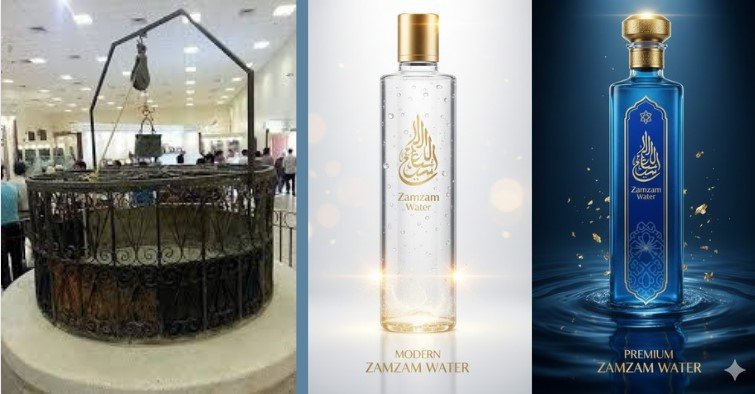
Zam Zam water holds a sacred place in the hearts of Muslims across the world. It is not ordinary drinking water but a powerful symbol of faith, history, and divine blessing. Sourced from the holy city of Makkah, this blessed water has been consumed for centuries and remains deeply connected to Islamic worship and spirituality.
This article explains the origin, historical background, benefits, and religious importance of this sacred water in a clear and informative way.
What Is Zam Zam Water?
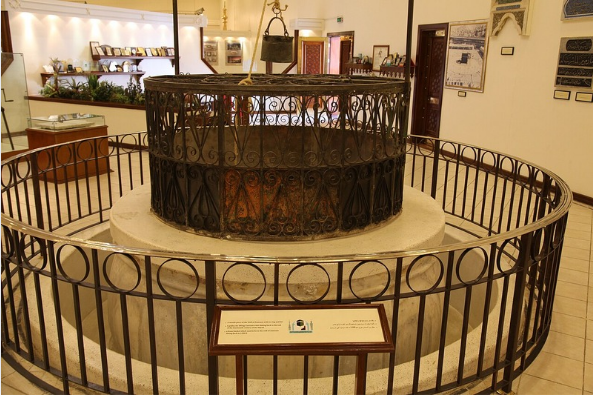
This blessed water comes from a natural spring known as the Zam Zam well, located within Masjid al-Haram in Makkah near the Kaaba. Unlike common water sources, the well has never dried up, even though it provides water to millions of pilgrims every year.
Muslims believe this water carries spiritual value and divine mercy, offering both physical refreshment and spiritual comfort.
History and Origin
The story of the sacred well dates back thousands of years. According to Islamic tradition, Allah caused water to emerge when Hazrat Hajar (AS) searched desperately for water for her infant son Hazrat Ismail (AS) in the desert.
As the child struck the ground, water flowed miraculously from the earth. Hazrat Hajar (AS) exclaimed “Zam Zam,” meaning “stop” or “gather,” as she tried to contain the flow. This miracle marked the beginning of the holy spring.
Religious Importance in Islam
This blessed water holds great significance in Islam and is closely associated with Hajj and Umrah. Pilgrims drink it during their pilgrimage, following the practice encouraged by the Prophet Muhammad ﷺ, who said it is beneficial for whatever intention it is consumed.
Many believers drink it while making sincere prayers, trusting in its spiritual blessings and healing properties.
Unique Characteristics
What makes this water unique compared to ordinary drinking water includes:
- Natural purity
- High mineral content
- Clean and uncontaminated source
- Refreshing and distinct taste
- Continuous supply despite heavy use
Scientific analysis has shown it contains minerals like calcium, magnesium, and fluoride, contributing to its quality and stability.
Health-Related Benefits

Along with spiritual value, many people believe this water supports physical well-being. Commonly mentioned benefits include:
- Supporting digestion
- Helping maintain hydration
- Boosting natural energy
- Supporting the immune system
- Aiding recovery when consumed with faith
While not a medical cure, its purity and mineral balance are widely respected.
Availability During Hajj and Umrah
Pilgrims can easily access this holy water inside Masjid al-Haram through modern cooling and distribution systems. Millions of worshippers safely drink it every day.
Many pilgrims also take it home as a meaningful gift for family and friends.
Preservation and Protection
The Saudi authorities carefully manage and protect the sacred well using modern monitoring systems. Water quality, cleanliness, and levels are continuously checked while maintaining the sanctity of the site. Strict regulations prevent misuse or contamination.
Purchasing and Distribution
This holy water is officially distributed through approved channels, including designated airport facilities for pilgrims. Purchasing it from unofficial sellers is discouraged to avoid counterfeit or unsafe products.
Conclusion
Zam Zam water is far more than a natural spring—it represents faith, history, and divine mercy. From its miraculous origin to its lasting spiritual importance, it continues to inspire Muslims around the world. Consumed with sincere intention and gratitude, it remains a deeply meaningful part of Islamic belief and worship.
For more updates visit: THE BIO LEGACY


0 Comments